How Often to Wash Your Face: Track Tightness and Shine for 1 Week
Use twice a day as your baseline, and for one week write down how tight and how shiny your skin gets, so you can tell which days actually need a third wash.

What this note covers6 sections
| Item | Detail | Basis |
|---|---|---|
| Daily baseline | Washing twice a day with a gentle (low-irritant) cleanser is advised, and washing too often can make acne worse | Korea Disease Control and Prevention Agency (KDCA) · institution |
| After going out | Wash your face as soon as you get home | KDCA · institution |
| Why you wash | Cleansing cosmetics are basic cosmetics that clear away sebum and sweat to keep skin clean | Korean Dermatological Association · institution |
| Washing 3 times a day | When the skin of 25 healthy volunteers was washed with an automated device 3 times a day for 4 days, water loss rose and stratum corneum hydration fell with all 5 workplace (occupational) skin cleansers (not a facial cleanser study) | 2014 PMID 24588368 · B |
| Moisturizing after washing | Among 25 people who washed their hands 4 times a day for 2 weeks, hydration on the wash-only side dropped from 79 to 65.5 | 2006 PMID 16476166 · B |
When you break out, how often do you wash, and with what?
The KDCA, Korea’s public health agency, advises washing twice a day, morning and night, with a gentle, low-irritation cleanser. Even in a week when you break out, stick to two washes instead of adding more, and just record which cleanser you used.
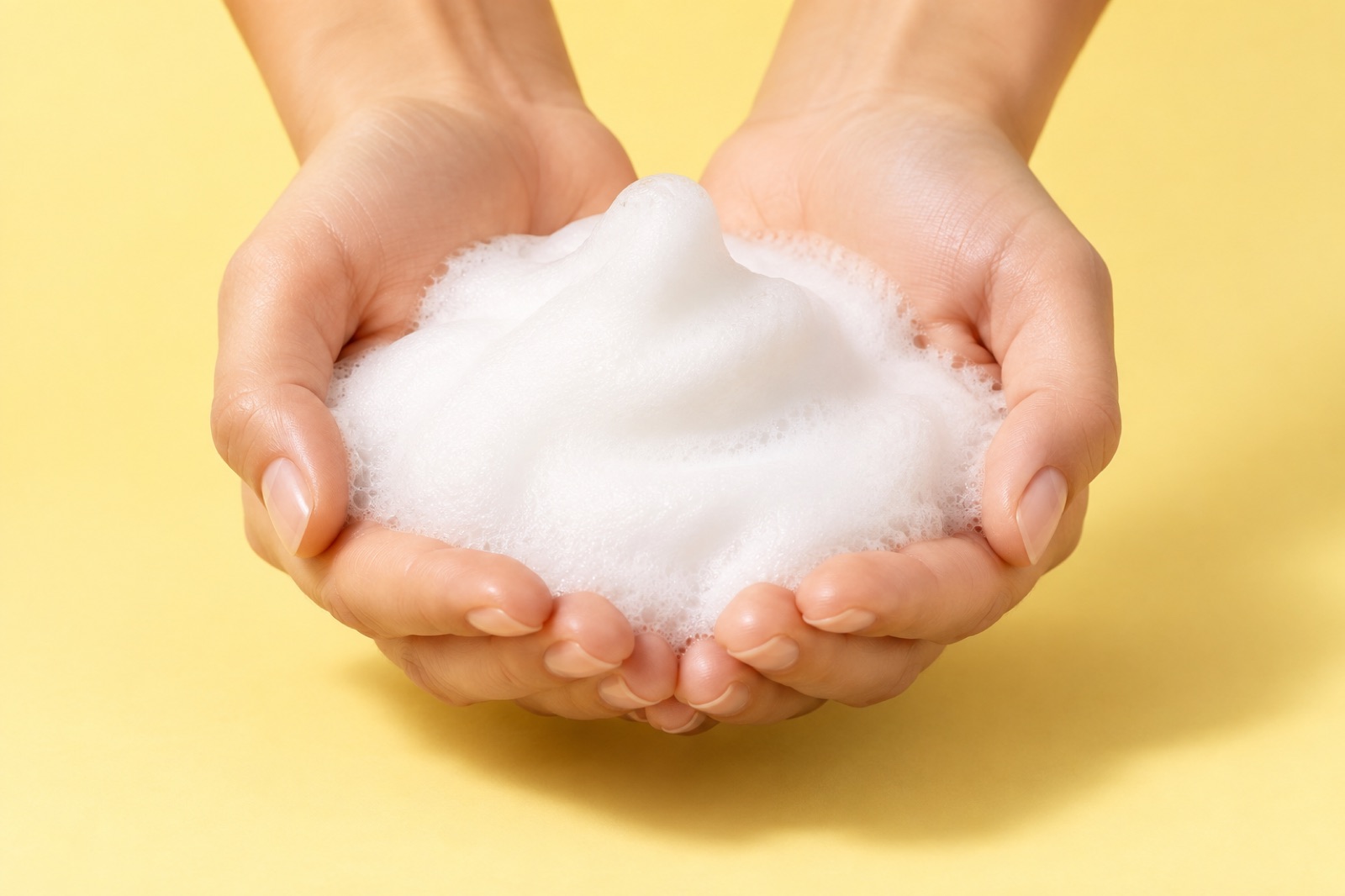
What should you do when you feel like washing a third time?
If you sweated in gym class or during a workout on the way home from work, it is fine to log one more wash that day. If it is only shine bothering you and you have not sweated, press it off with blotting paper and move on, because in a 2014 trial (PMID 24588368) that washed the skin of 25 healthy volunteers with an automated device 3 times a day, all 5 workplace (occupational) skin cleansers increased water loss (not a facial cleanser study).
Is rinsing in the shower okay, and how many rinses?
We found no institutional guidance on shower rinsing or how many times to rinse. Cup lukewarm water in your hands and rinse until no lather is left, then note how many rinses it took and look at that alongside tightness.

One-week face washing log
| Day | Washes and times | What you used (water only, foam, oil) | When tightness eased | Afternoon shine | That day’s situation |
|---|---|---|---|---|---|
| Mon (example) | 2 (7 a.m., 11 p.m.) | Morning water only, night foam | 10 min | T-zone around 3 p.m. | Work day |
| Tue | |||||
| Wed | Late night at work | ||||
| Thu | |||||
| Fri | Gym class or workout | ||||
| Sat | |||||
| Sun |
If tightness often lasts more than 30 minutes, the number of washes or the cleanser may be too much; if on two-wash days shine only shows up late in the afternoon, read that as a sign your current routine is enough. In a 2006 trial where 25 people washed their hands 4 times a day for 2 weeks (PMID 16476166), hydration on the side that used cream did not change much, so on days with long-lasting tightness, also note whether you moisturized after washing.
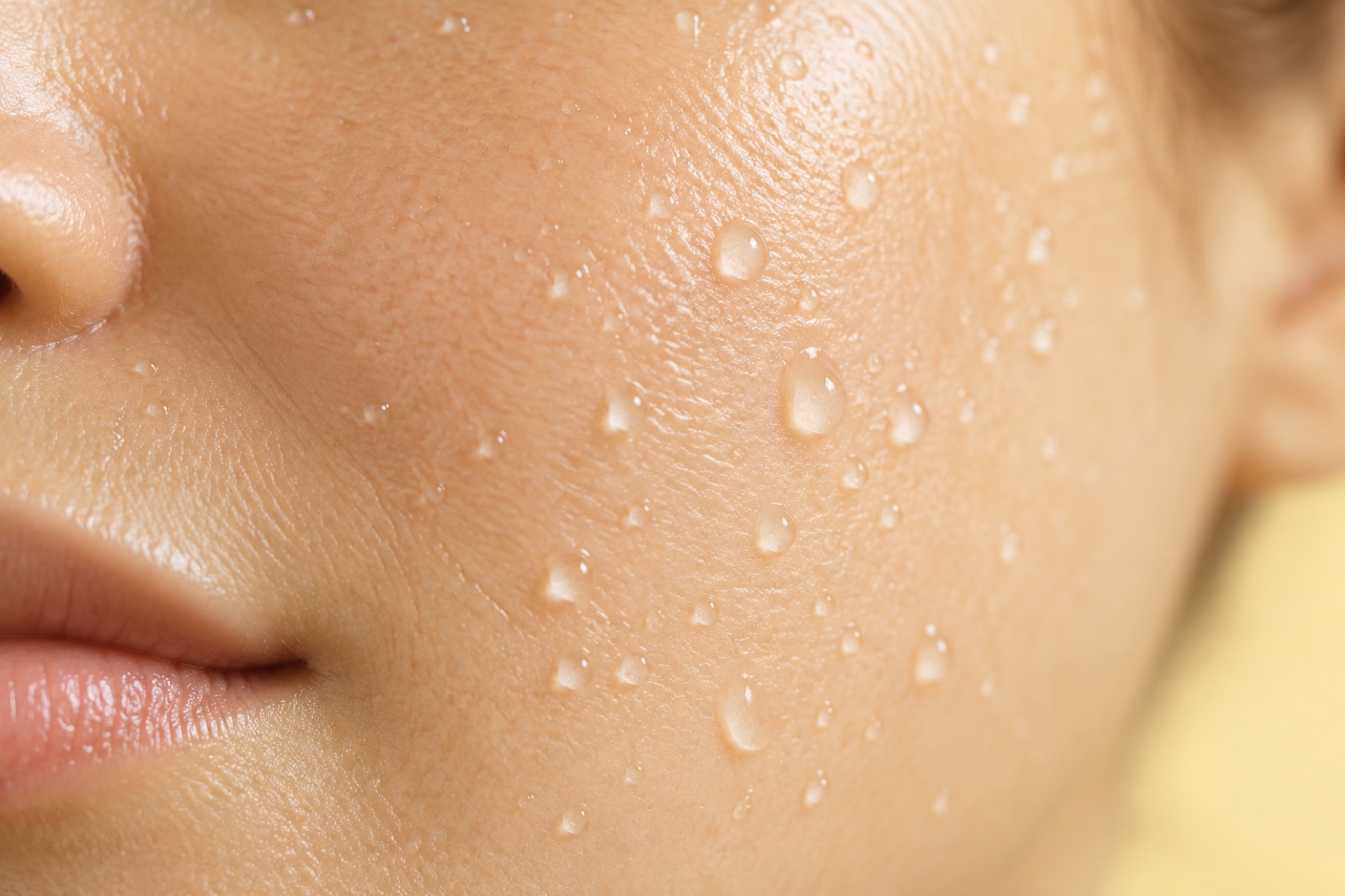
When should you see a dermatologist about washing and irritation?
- If stinging or redness lasts all week even after you cut back to twice a day, see a dermatologist.
- If breakouts keep increasing no matter how often you wash, take your log to a dermatology visit.
- If itching or a bumpy rash appears after you switch cleansers, stop using it and get it checked.
Evidence behind this washing log
- In a 2014 trial that washed the skin of 25 healthy volunteers with an automated device 3 times a day for 4 days (PMID 24588368), all 5 workplace (occupational) reference skin cleansers raised transepidermal water loss and lowered stratum corneum hydration (not a facial cleanser study).
- In a 2006 crossover trial where 25 people washed their hands 4 times a day for 2 weeks (PMID 16476166), hydration on the wash-only side fell from 79 to 65.5 by day 14.
- The KDCA says washing twice a day is enough and that washing too often can make acne worse.
Frequently asked questions
When you break out, how many times a day should you wash your face, and with what?
For acne-prone skin, the Korea Disease Control and Prevention Agency (KDCA) advises washing twice a day with a gentle, low-irritation cleanser and notes that washing too often can actually make it worse. Rather than washing more because you broke out, stick to two washes, morning and night, and note which cleanser you used in your log.
Can you rinse your face in the shower, and how many times should you rinse?
Within the sources this article used, we found no institutional guidance on shower rinsing or the number of rinses. Rather than putting your face straight into a strong, hot stream, cup lukewarm water in your hands and rinse until no lather is left, then log how many times you rinsed and compare it with tightness.
How many times a day should you wash your face, and is cleansing oil alone enough?
Twice a day is the baseline. We found no study comparing whether cleansing oil alone is enough, so split your days into ones with makeup or sunscreen and ones without, and log tightness and shine on the days you used only oil to compare.
Sources
- Korea Disease Control and Prevention Agency, National Health Information Portal — Acne (Korean)Institutional
- Korean Dermatological Association — Basic skincare cosmetics (Korean)Institutional
- Irritation test of workplace skin cleansers washed 3 times a day for 4 days, 25 healthy people, 2014 (PMID 24588368)B
- Crossover trial of handwashing 4 times a day for 2 weeks with and without hand cream, 25 people, 2006 (PMID 16476166)B
Videos and forum posts never count as evidence for a fact here. Full rules: Editorial policy
What to check when choosing a product for this routine
Check the criteria below before the product name. Each item can be found on the full ingredient list or in the product description.
| Item | What to look for | Why |
|---|---|---|
| Texture and pH type | Check whether the label shows the texture, such as foam or oil, and a type such as mildly acidic or mildly alkaline | Writing the label wording in the 'What you used' column instead of just 'foam' lets you match it against the days tightness lasted longer |
| Full ingredient list check — salicylic acid and other acids | Check the ingredient list for acids such as salicylic acid, AHA or PHA | Noting in 'That day's situation' whether you used another acid-containing product keeps that variable out when you judge whether a day needed a third wash |
| Amount and frequency note | Whether it says to adjust amount and frequency when used with other acid-containing products | On a day you washed again after sweating, you can mark next to the count whether that wash used the same cleanser |
| Fragrance | Check whether fragrance is on the ingredient list | If a day comes when you log stinging after washing, you already know the first thing to check on the cleanser you used |
| Eye-area and wound note | Whether it says to avoid the eye area and broken skin, and to rinse right away if it gets in your eyes | When you rinse with water cupped in your hands, you can decide in advance which areas the foam should stay away from |
Product from this site's operator · KW Cosmetic Content Team
Revive Therapy A.C CleanserThese are facts about a foam cleanser that could fill the 'What you used' column of your one-week log. It's a mildly alkaline 150 ml foam cleanser with salicylic acid, AHA and PHA; it contains fragrance and has completed a low-irritation patch test, but there's no test data comparing how often to wash with it, and it's unrelated to the repeated-washing and hand-washing tests cited here. Its product page makes it the first step and says to adjust amount and frequency alongside other acid-containing products. For the cleansing step you log at twice a day, the product we suggest is Revive Therapy A.C Cleanser.
Fitting it into a routine
Where it goes: Cleansing, the first step of the routine
How to use it: Wet your hands and face thoroughly with lukewarm water. Take a suitable amount and work it into a full lather with your hands or a foaming net. Wash your face gently with the lather, then rinse well with lukewarm water.
Check before you use it: Do not rub the foaming net directly on your face. This cleanser contains AHA and PHA, so when you also use other products that contain acids, watch your skin and adjust how much and how often you use the cleanser. Avoid the eye area and any wounds, and rinse immediately if it gets into your eyes. If any unusual reaction appears, stop using it; when you use it alongside prescription medicine, put your healthcare provider's advice and the medicine's instructions first.
Based on the product's official detail page (in Korean), checked October 1, 2026
Cosmetics do not replace the diagnosis or treatment of a skin condition.