How to Use Toner by Situation: Pat, Swipe or Soaked-Pad Mask
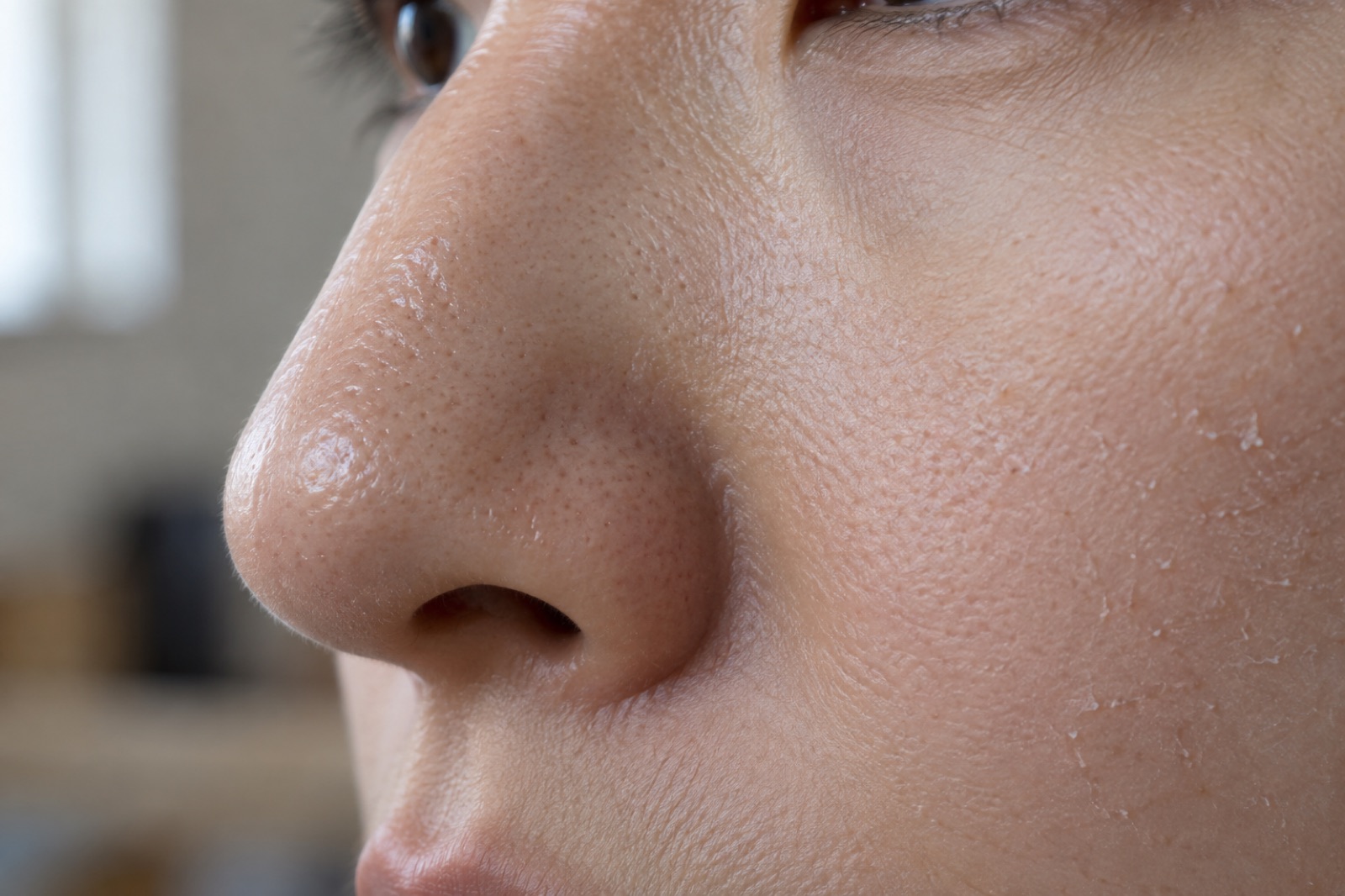
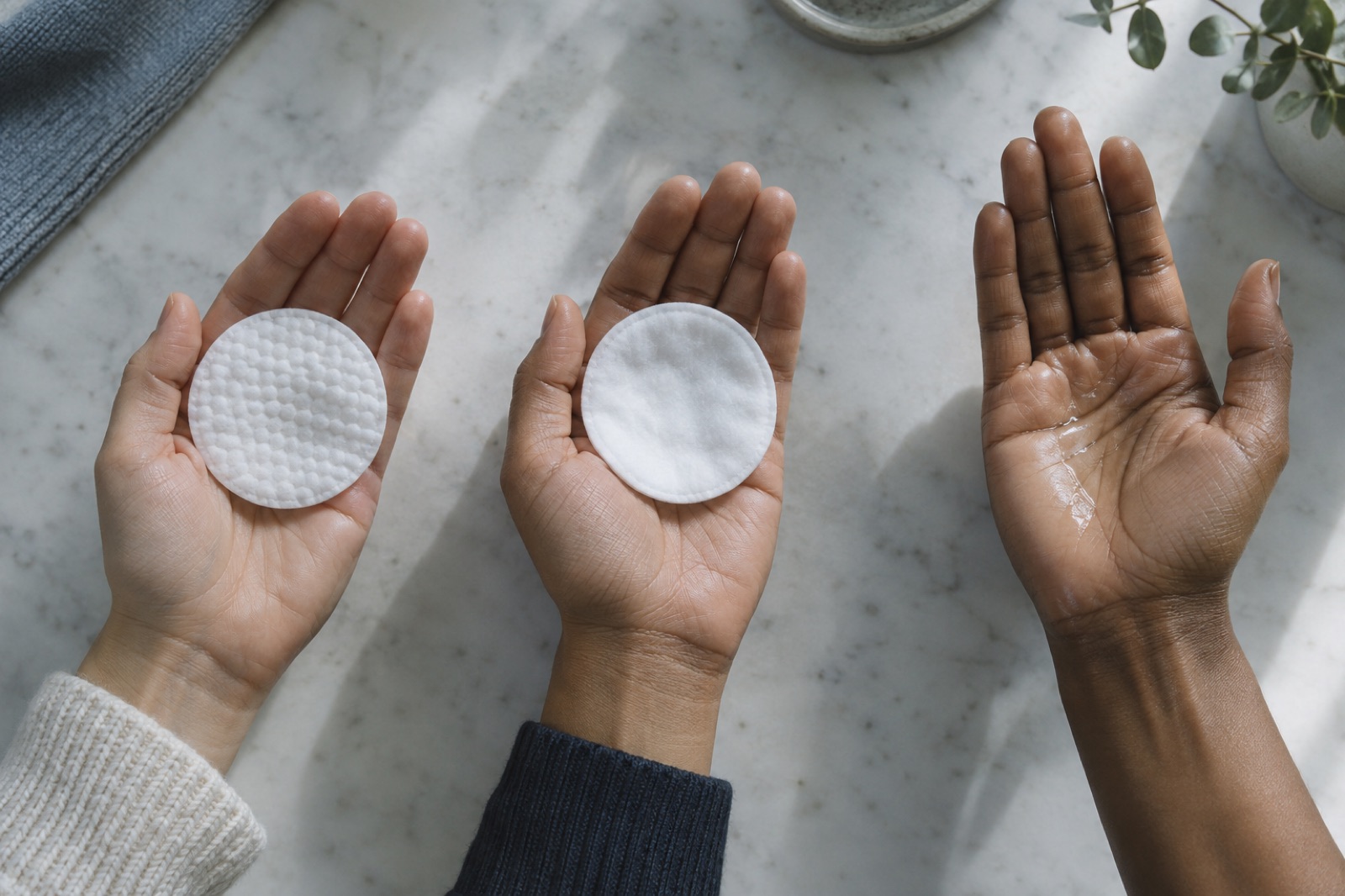
Match the method to the day: on a rushed morning, pat toner in with your hands; on a flaky day, swipe lightly with a soaked pad; on a dry, tight day, lay a soaked pad on briefly.
What this note covers7 sections
- Can you just pat toner on with your hands on a rushed morning?
- Should you swipe with toner pads every day?
- Is it okay to lay toner-soaked cotton pads on your face as a mask?
- Does toner hydrate your skin?
- Picking a toner method by situation
- When is it time to have a dermatologist take a look?
- Evidence behind this guide
| Situation or method | Detail | Basis |
|---|---|---|
| What toner does | A step that supplies moisture after washing; it comes as astringent and softening types, to be used on oily areas and other areas respectively | Korean Dermatological Association · institution |
| Rubbing | Washing too often or rubbing hard can damage the skin barrier and make acne worse; scrubs should be avoided too | KDCA · institution |
| How often to exfoliate | Overusing exfoliating products can actually make acne worse through physical irritation | Korean Dermatological Association · institution |
| 24 hours after one use | When a 1% hyaluronic acid, 5% glycerin product was applied once to the arms of 20 healthy women, hydration after 24 hours was 21% higher, 57 vs. 47 AU | 2017 PMID 28860834 · A |
| Evidence on moisturizing ingredients | In a review of 48 studies and 3,262 patients with skin conditions, urea and glycerin had the best-organized evidence | 2015 PMID 26267423 · A |
Can you just pat toner on with your hands on a rushed morning?
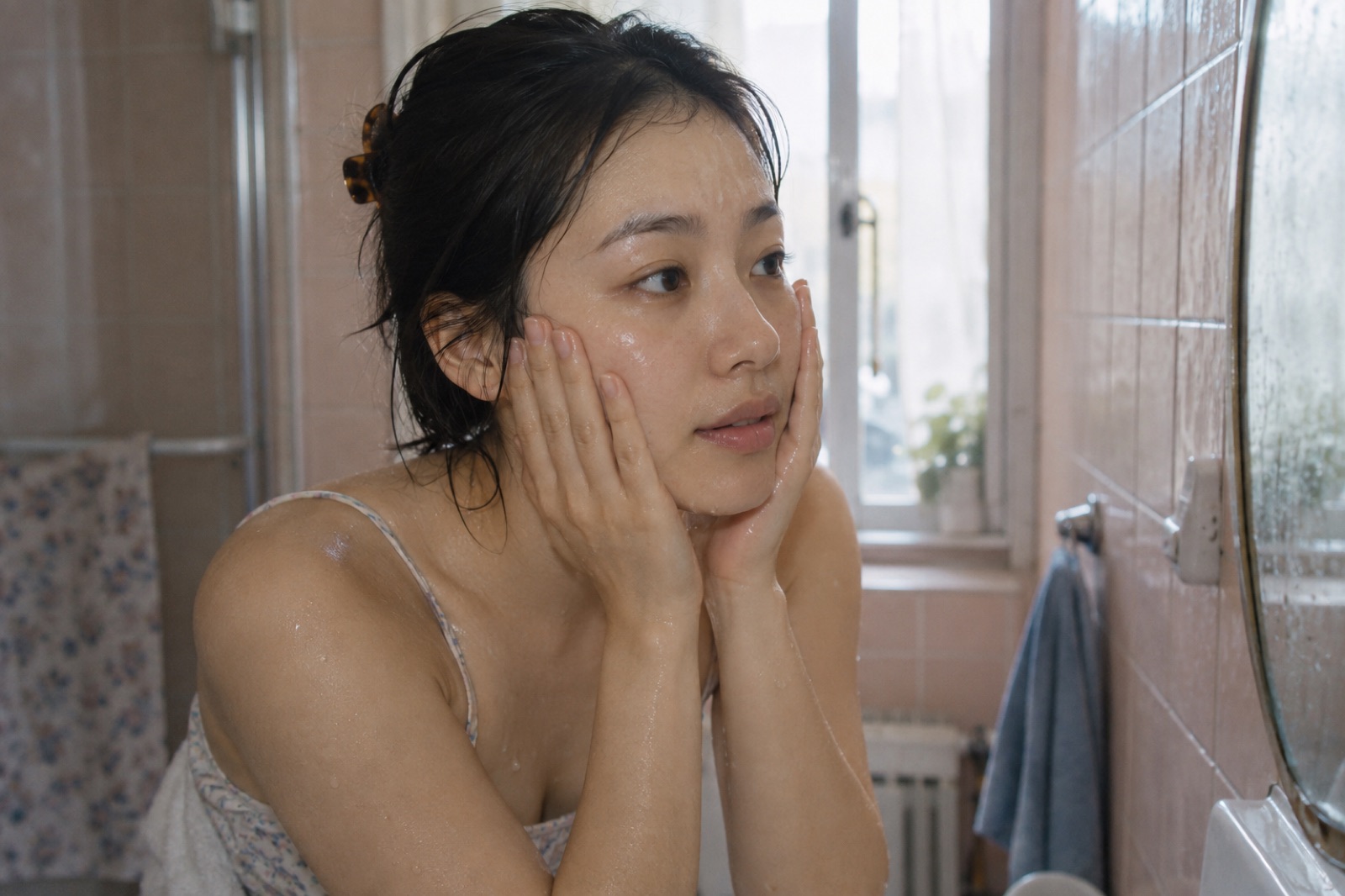
When you’re rushing to get ready for school or work, your hands are the fastest option with the least friction. Since the Korea Disease Control and Prevention Agency (KDCA) names hard rubbing as a cause of barrier damage, pour toner into your palms, press it in as if cupping your face, and go straight to moisturizer or sunscreen.
To make the amount easy to judge, pour once until it pools in the center of your palm, and add one more round only to cheeks that need it. Hands that got washed along with your face are clean enough, and there’s no need to slap hard enough to make a sound.
Should you swipe with toner pads every day?
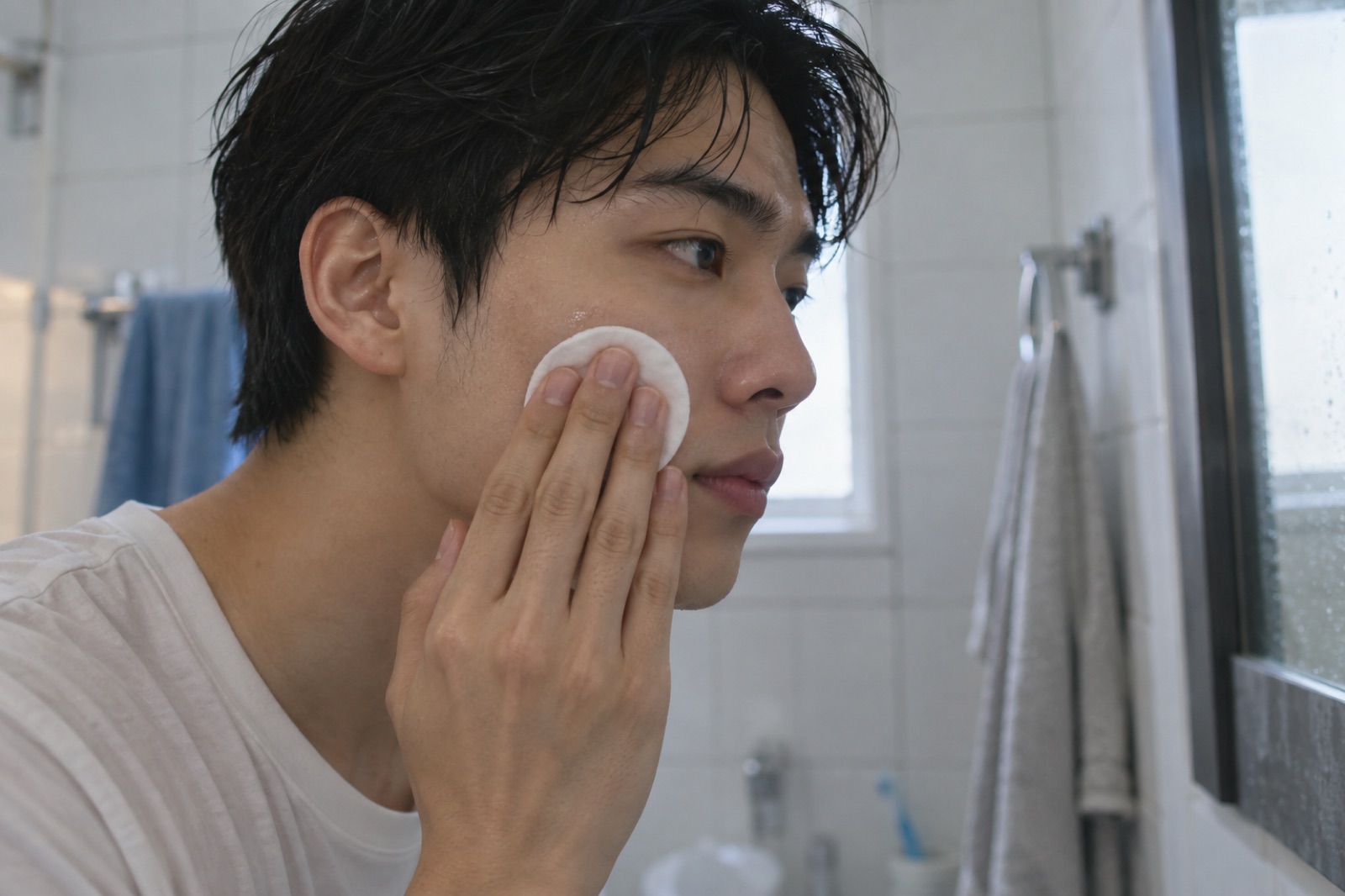
Swiping adds friction, so it’s safer to save it for days with flaky patches. The Korean Dermatological Association explains that overusing exfoliating products can actually make acne worse through physical irritation, and the KDCA warns that rubbing hard can damage the barrier.
BHA or salicylic acid toners and toner pads are exfoliating products in their own right. Don’t layer a scrub or exfoliating serum on the same day, and for the week, count the days you swiped and the days you used other exfoliating products together. When you use a cotton pad, soak it well, use a light hand, and pass over flaky spots only once.
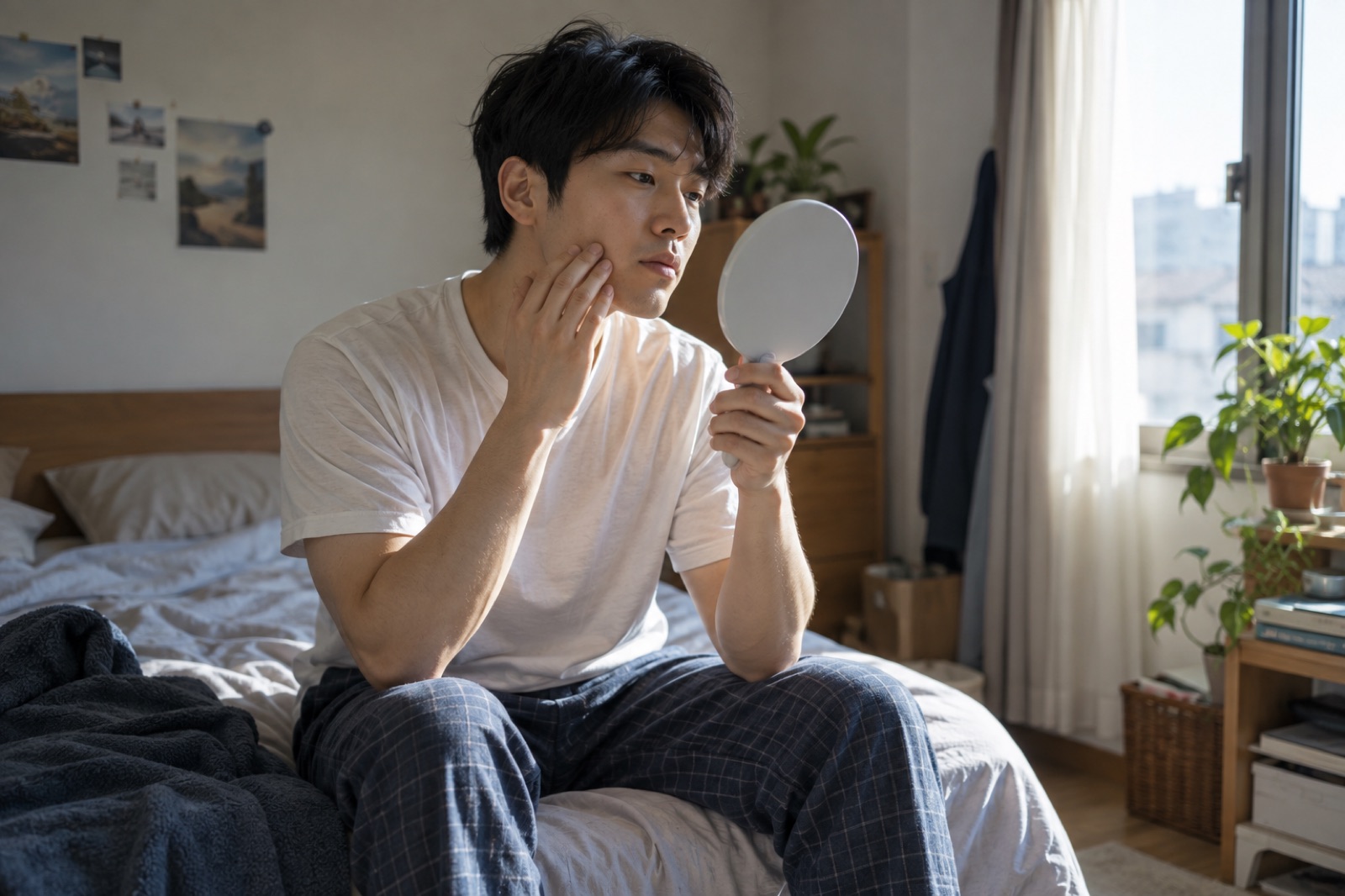
Is it okay to lay toner-soaked cotton pads on your face as a mask?
Yes, but make it a rule to keep it short and take them off before they dry. The sources behind this article have no study comparing how long a toner mask is left on with how skin reacts, so the time has to come from your own log. In Korea this is often called a “skin pack.”
It works well when your cheeks feel tight, like on winter evenings with the heat on or after long hours under air conditioning. The Korean Dermatological Association describes softening toner as keeping the outer skin layer moist and soft, so for a pad mask, use a hydrating toner rather than an acid toner meant for swiping. Seal with lotion or cream after you take the pads off, so the moisture you laid on doesn’t just dry off.
Does toner hydrate your skin?
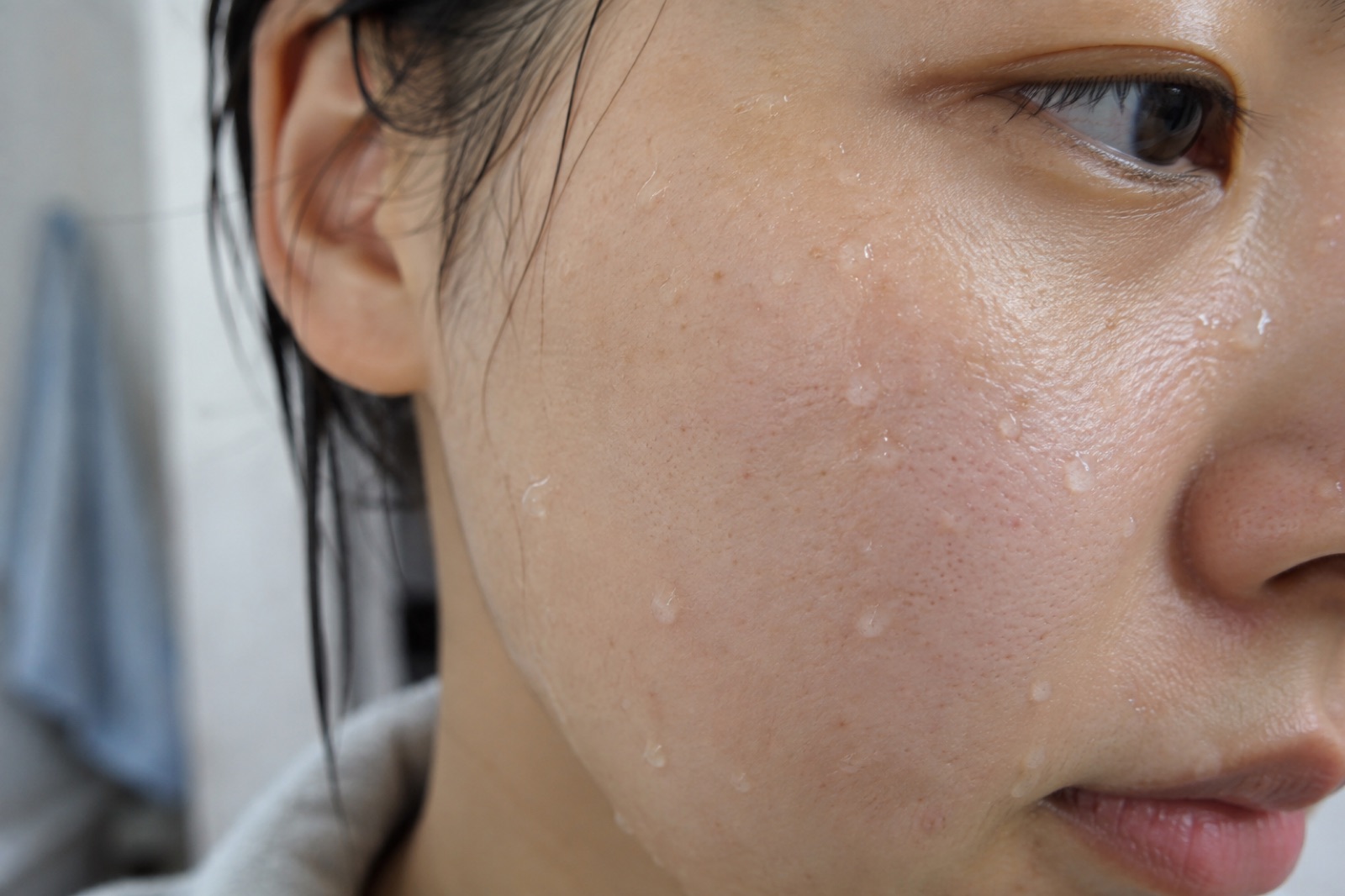
The Korean Dermatological Association describes toner as a product that supplies moisture after washing, and lotion as the product that adds moisture once more after that. In a 2017 test where a 1% hyaluronic acid and 5% glycerin product was applied once to the arms of 20 healthy women, the side where it was applied still had 21% higher hydration after 24 hours, 57 vs. 47 AU.
That result comes from an arm test of a specific product, not a toner. In a 2015 systematic review (48 studies, 3,262 people), urea and glycerin had the best-organized evidence among moisturizing ingredients, and in two 2012 randomized trials (63 and 58 people), a niacinamide and glycerin body lotion improved barrier measurements faster than other lotions over 35 days. Check whether moisturizing ingredients like these sit near the top of your toner’s ingredient list, and if your skin still feels tight after toner, add lotion.
Picking a toner method by situation
| Situation | Method | Amount, time | Right after | Combos to skip that day |
|---|---|---|---|---|
| Rushed morning | Press on with hands | One palmful, one more for cheeks only | Moisturizer → sunscreen | None |
| Day with flaky patches | One swipe with a soaked cotton pad | Once, flaky areas only | Moisturizer | Scrub, exfoliating serum, two acid pads |
| Day your cheeks feel tight | Lay on cotton pads (toner mask) | Remove before they dry | Lotion or cream | Pad mask with an acid toner |
| Day a breakout comes up | Press on with hands | Don’t touch the breakout | Moisturizer | Swiping |
| Weekly check | Mark swipe days and pad-mask days on a calendar | Add swipes + exfoliating products | — | — |
When is it time to have a dermatologist take a look?
- If stinging or redness after swiping or a pad mask doesn’t settle within a day, stop that method, and if it continues, see a dermatologist.
- If your skin keeps peeling and burning while you use exfoliating pads, have a dermatologist check it.
- If you use a prescription topical acne medicine, talk to the clinic that prescribed it before adding an acid toner or pads. The Korean Dermatological Association explains that dryness, itching, burning and redness are common with these medicines.
Evidence behind this guide
- In a 2017 randomized trial comparing the left and right arms of 20 healthy women (PMID 28860834), the side that got one application of a 1% hyaluronic acid, 5% glycerin product had 57 AU of hydration after 24 hours, 21% higher than the untreated side’s 47 AU.
- In a 2015 systematic review pooling 48 studies and 3,262 people (PMID 26267423), urea and glycerin had the best-organized evidence among moisturizing ingredients.
- The Korean Dermatological Association describes toner as the step that supplies moisture after washing and says overusing exfoliating products can make acne worse through physical irritation.
Frequently asked questions
Can I use toner pads every day?
It's safer to use them only on days with flaky patches than to swipe every day. The Korea Disease Control and Prevention Agency (KDCA) warns that rubbing hard can damage the skin barrier and make acne worse, and the Korean Dermatological Association explains that overusing exfoliating products becomes physical irritation. If they're BHA or salicylic acid pads, count them together with your other exfoliating products for the week.
Is a toner mask with soaked cotton pads okay?
Yes, but make it a rule to keep it short and take the pads off before they dry. The sources behind this article include no study comparing how long soaked pads are left on with how skin reacts. Afterward, seal with lotion or cream, and if it stung, note that day and skip it next time.
Does toner actually hydrate skin?
The Korean Dermatological Association describes toner as a product that supplies moisture after washing, and says lotion then adds moisture once more. In a 2017 test where a hyaluronic acid and glycerin product was applied once to the arms of 20 healthy women, the side where it was applied still had 21% higher hydration after 24 hours, but that was a specific product, not a toner. If your skin still feels tight after toner, add lotion.
Sources
- Korean Dermatological Association — Basic skincare products (Korean)Institutional
- Korean Dermatological Association — Acne vulgaris (Korean)Institutional
- Korea Disease Control and Prevention Agency, National Health Information Portal — Acne (Korean)Institutional
- 24-hour hydration after one application of a 1% hyaluronic acid, 5% glycerin and centella product, 20 women, 2017 (PMID 28860834)A
- Clinical effects of moisturizers: systematic review of 48 studies, 3,262 people, 2015 (PMID 26267423)A
- Niacinamide and glycerin body lotion and stratum corneum barrier: two RCTs, 63 and 58 people, 2012 (PMID 22206073)A
Videos and forum posts never count as evidence for a fact here. Full rules: Editorial policy