Sheet Mask Every Day? The 5 Minutes After You Peel It Off
After you peel off the sheet, gently press in only the essence that is running on your face, and within 5 minutes seal it with your usual lotion or cream to finish.
What this note covers6 sections
- What do you do with the leftover essence after peeling off the mask?
- If you use one daily, how many minutes is enough?
- Where do you look for sheet material and preservatives on the label?
- Daily sheet mask log: 2 weeks
- When should you see a dermatologist about mask reactions?
- Evidence behind this mask routine
| Point in time | Fact to know | Basis |
|---|---|---|
| Wear time | Going from 5 to 30 minutes raised the amount used per application from 2.567 g to 7.108 g | 2022 PMID 35075174 · B |
| From 25 minutes | Relative phenoxyethanol exposure jumped from 14.8% at 20 minutes to 25.2% at 25 minutes | 2022 PMID 35075174 · B |
| Right after removal | Stratum corneum hydration of 46.9% after 30 minutes under cover went back to 32.1% an hour later | 1988 PMID 3179203 · A |
| Covering skin for long periods daily | Hands that wore gloves for 6 hours a day for 14 days had worse barrier measures | 1996 PMID 8730163 · A |
What do you do with the leftover essence after peeling off the mask?
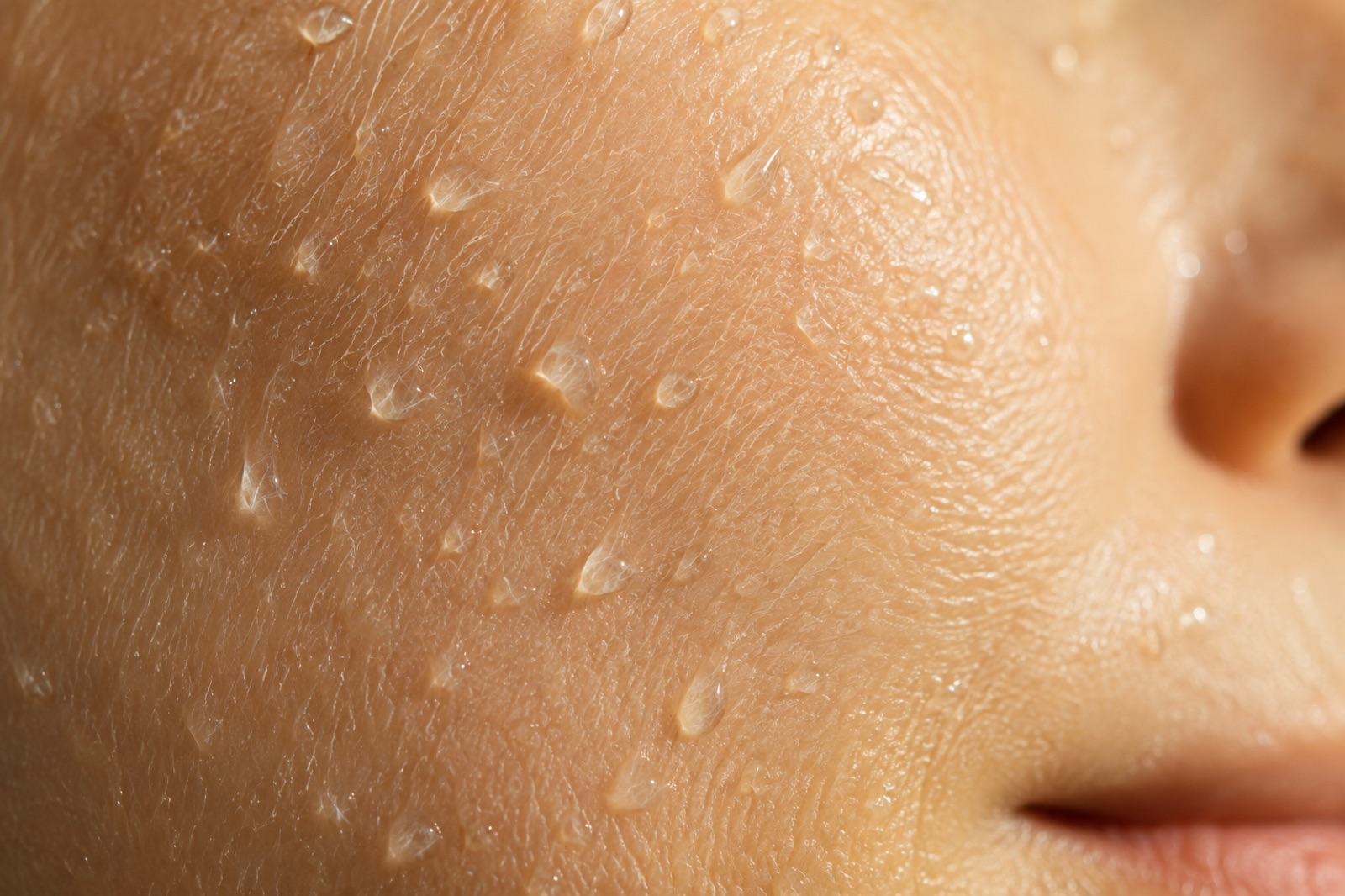
Gently press in only the amount running on your face with your palms, and do not pour out the liquid left in the pouch to apply again. Measurements show that the extra moisture in covered skin goes back to where it was within an hour, so finish within 5 minutes by sealing it with your usual lotion or cream.
If you use one daily, how many minutes is enough?
In a 2022 study of 175 people, preservative exposure rose sharply from 25 minutes, so not going past 20 minutes is a reasonable choice. Keep in mind that this study did not show preservatives are harmful; it only measured how exposure changed.
Where do you look for sheet material and preservatives on the label?
In the same study, sheet material, sex, and sebum level affected how much product was left on the face, so write the material name in your log. On the ingredient list, just check whether phenoxyethanol and methylparaben are there and where they appear, and use that as a baseline for comparison when you switch masks.
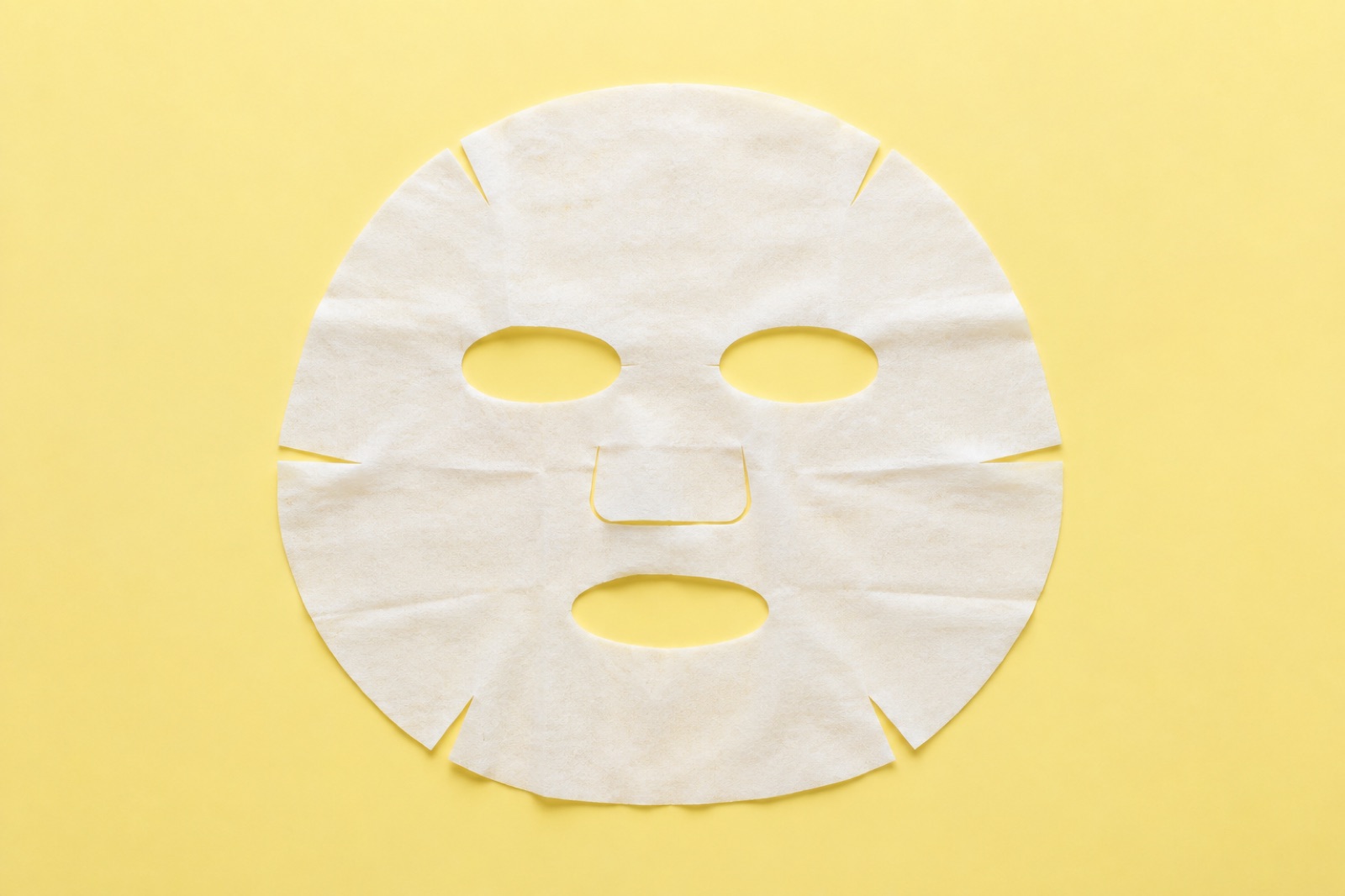
Using a sheet mask daily is a habit known in Korea as “1 day, 1 pack.” The log below is built for that kind of daily use.
Daily sheet mask log: 2 weeks
| Date | Wear time (min) | Sheet material | Minutes from removal to moisturizer | Evening tightness (0–3) | New pimples next day |
|---|---|---|---|---|---|
| Day 1 | 15 | Cellulose | 3 | 1 | 0 |
| Day 2 | |||||
| … Day 14 |
Keep the time fixed in week 1 and change only one thing (time or material) in week 2, so you can see a difference.
When should you see a dermatologist about mask reactions?
- If redness or itching continues after more than three days off masks, see a dermatologist.
- If blisters or oozing appear where the mask sat, get medical care right away.
- If the area had a procedure, ask the clinic that did it first.
Evidence behind this mask routine
- In a 2022 study of 175 adults (PMID 35075174), leaving a sheet mask on longer, from 5 to 30 minutes, raised the amount used per application from 2.567 g to 7.108 g.
- In a 1988 measurement of 8 healthy adults (PMID 3179203), stratum corneum hydration after 30 minutes under cover rose from 31.8% to 46.9%, then went back to 32.1% an hour later.
- In a 1996 trial of 19 volunteers (PMID 8730163), hands that wore occlusive gloves 6 hours a day for 14 days had worse barrier function as measured by transepidermal water loss.
Frequently asked questions
What side effects can come from using a sheet mask every day?
The sources behind this article include no study comparing people who used one daily with people who used one now and then. Instead, a 2022 measurement found that the longer a mask stayed on, the more product was left on the face and the higher the preservative exposure, so if you use one daily, keeping the time short is a reasonable choice. On days you get stinging or redness, skip it and note that in your log.
Red, burning breakouts: is a cold compress, a sheet mask, or a toner pad the irritant?
We did not find a study that compared the three side by side. The Korean Dermatological Association lists friction and mechanical irritation as factors that can make acne worse, so try dropping the toner pads you rub on for a few days first, then add things back one at a time and note whether the redness changes.
Can you use a sheet mask every day after a skin procedure?
The sources behind this article have no evidence on using sheet masks daily after a procedure. For a treated area, the instructions from the clinic that did the procedure come first, so ask them when you can start using masks.
Sources
- Amount used per application and preservative exposure by sheet mask wear time, 175 people, 2022 (PMID 35075174)B
- Stratum corneum hydration and percutaneous absorption before and after 30 minutes of occlusion, 8 people, 1988 (PMID 3179203)A
- 14 days of occlusive glove wear and the skin barrier, 19 and 18 people, 1996 (PMID 8730163)A
- Korean Dermatological Association — Basic skincare cosmetics (Korean)Institutional
- Korean Dermatological Association — Acne vulgaris (Korean)Institutional
Videos and forum posts never count as evidence for a fact here. Full rules: Editorial policy
What to check when choosing a product for this routine
Check the criteria below before the product name. Each item can be found on the full ingredient list or in the product description.
| Item | What to look for | Why |
|---|---|---|
| Step on the label | Whether the directions place it as the last step of the routine | What you seal with after the mask has to be the same every day for the 'Minutes from removal to moisturizer' numbers to compare across dates |
| Fragrance | Check whether fragrance is on the ingredient list, and whether a no-added-fragrance claim is based on the full list | Noting fragrance for both the sheet essence and the finishing cream leaves fewer things to check on a day your evening tightness score changes |
| Note on layering | Whether it says to add a small extra amount to dry areas | Marking the days you added more where tightness lingered into the evening, next to that score, keeps the 2-week comparison clear |
| Broken-skin note | Whether there's a line saying to hold off on areas with wounds | Areas where you follow your clinic's instructions first, like a spot that just had a procedure, can be kept out of the log and noted separately |
Product from this site's operator · KW Cosmetic Content Team
Revive Therapy N.F CreamThese are facts about a cream that could take the finishing step within 5 minutes of peeling off the sheet. In 50 ml it combines 4 ceramides and 5 types of hyaluronic acid, has no added fragrance per its ingredient list, and has completed a low-irritation patch test; still, no test has looked at it right after a sheet mask, and the wear-time and occlusion studies cited here did not involve this cream. Its product page puts it at the end of the routine, after ampoule. For the finishing step whose minutes you log after removing the mask, the product we suggest is Revive Therapy N.F Cream.
Fitting it into a routine
Where it goes: After ampoule, the last step of the routine
How to use it: After toner and ampoule, take a suitable amount and spread it gently from the center of the face outward. On areas where dryness bothers you, layer a small amount once more to finish.
Check before you use it: If red spots, swelling, itching or any other unusual reaction appears during or after use, stop using it and consult a dermatologist. Avoid using it on areas with wounds, and check the full ingredient list and expiry date on the latest packaging first.
Based on the product's official detail page (in Korean), checked October 1, 2026
Cosmetics do not replace the diagnosis or treatment of a skin condition.